Table culture · Italian entertaining
A Textural Guide to Society Limonta for Italian Aperitivo Tables
An aperitivo table is not a formal stage set. It is a place people gather as the day loosens its grip: a glass set down, a bowl passed across, a conversation that lasts longer than planned. Society Limonta’s textile-led approach offers a thoughtful way to shape that atmosphere, using tactile layers, nuanced color and an ease that leaves room for guests to make the table their own.
Published October 21, 2026
The table as an invitation
In Italy, aperitivo is often understood as a pause before dinner, but its character is larger than a drink or a particular hour. It is a social interval: a chance to arrive, settle in and share something small before the evening moves forward. The table that supports it need not be elaborate. Its success depends less on perfect symmetry than on whether people can reach the olives, find a place for a glass and feel at ease enough to stay.
That practical warmth is a useful starting point for styling with Society Limonta. The Italian textile house is associated with contemporary home linens and an interest in material, surface and color. Rather than treating cloth as a polished backdrop, think of it as an active part of the gathering. A tablecloth can soften the room; a runner can give the serving dishes a visual path; napkins can bring a small, tactile note to each place. The goal is not to dress every inch of the table, but to make its surfaces feel considered and hospitable.
Atmosphere often begins with touch. Linen has a relaxed, slightly irregular character that can make even a simple arrangement feel lived in. A smooth cotton napkin, a softly rumpled tablecloth and the cool weight of a ceramic plate create contrasts the eye registers before anyone names them. These shifts in texture add depth without demanding decoration. They also suit the informal rhythm of aperitivo, where dishes may be replenished and guests may move between the table and the room.
Build from the cloth outward
Begin with the largest textile, but do not assume that it must cover the entire table. A full cloth can create a generous, unified field, particularly on a long dining table or a surface whose finish feels too formal for a casual gathering. Choose a drape that allows guests to sit comfortably and keeps fabric clear of knees. If the table itself has a pleasing grain or patina, leave much of it visible and use a runner or a few carefully placed mats instead.
Layering works best when each piece has a purpose. A runner can define the center without turning the table into a corridor of decoration. Placemats can protect the surface beneath small plates, while napkins make the setting feel complete. Avoid stacking textiles simply to create abundance. Too many layers can crowd serving dishes and make a relaxed meal feel staged. A useful question is whether each fabric adds function, texture or color. If it does none of these, it may not need to be there.
Society Limonta’s aesthetic is a helpful reference because it encourages attention to textile character rather than relying on ornate motifs. A quiet surface can still be expressive: a washed finish, a subtle weave or a gently uneven tone catches changing light across the evening. This kind of restraint does not mean the table must be pale or minimal. It means that visual interest can come from the material itself, allowing food, glassware and conversation to share the scene.
For an easy composition, let one fabric lead and keep the rest in support. If the tablecloth has a pronounced texture, choose smoother napkins. If the cloth is plain and fine, a more substantial runner may provide contrast. The layers should feel related, not identical. A small difference in weave or finish is often enough to make the table feel collected rather than purchased as a single matching set.
Choose a palette that welcomes change
A restrained palette gives the table room to evolve as the evening unfolds. Begin with a foundation drawn from the room or the season: warm white, stone, smoke, sand, olive, or a muted blue. Then add one accent that appears in a small, repeatable way—a colored napkin, a glass, a bowl or a seasonal ingredient. The color need not match the food exactly. It can echo the dark green of herbs, the glow of citrus peel or the earthy tones of a wooden table.
Neutrals are useful not because they are safe, but because they reveal texture. On a pale cloth, the shadow of a fold becomes part of the composition. A smoky or sandy tone can bring warmth without competing with bright produce or glass. Deeper colors, meanwhile, can lend intimacy to an evening gathering. A charcoal runner or muted rust napkin may feel especially inviting by candlelight, provided there is enough contrast for guests to see what is being served.
Consider how color behaves under the light available. Daylight may make cool shades appear crisp, while warm bulbs and candles soften them toward amber. Before guests arrive, look at the table from a seated position and at the time of day the gathering will begin. The cloth that looks one way at noon can become more saturated at dusk. This is not a problem to correct; it is part of the table’s changing atmosphere. Still, checking the effect in advance helps keep the setting legible and welcoming.
Rather than matching every element, create a loose relationship among them. A neutral cloth can sit alongside plates in a related shade but with a different finish. Clear glasses can preserve visual lightness; colored glass can introduce a gentle accent. Natural materials—wood, woven baskets, ceramic dishes—help connect the palette to the informal, shared nature of aperitivo. Repetition is useful, but exact uniformity is not required.
Leave space for the food and the people
The most beautiful table is not necessarily the most useful one. Aperitivo tends to involve small plates, bowls for snacks, glasses, perhaps a carafe, and the occasional dish arriving from the kitchen. A thoughtful textile arrangement leaves clear landing places for all of them. Keep the central area low and open, especially when guests will serve themselves. A runner should frame the food, not obstruct the route between it and the plates.
Think about movement before placing objects. Can someone reach the bowl of almonds without leaning across another guest? Is there room to set down a glass? Can a serving dish be passed in either direction? These questions are part of styling, not a separate practical chore. A table that supports easy movement feels more generous because it allows guests to participate without hesitation.
Napkins can be folded simply or left with a natural softness. A tight fold may suit a more composed dinner, but aperitivo benefits from a lighter touch. Place napkins where they are easy to find, and choose a fabric that can handle a small spill without making anyone anxious. The point is not to protect the cloth from the evidence of hospitality. A table is meant to be used.
For a small gathering, one shared textile can make a compact table feel coherent. For a larger group, a runner can connect separate place settings while leaving each person room to move. If the table is narrow, skip the runner and let napkins carry the color. If guests will stand and circulate, use a sideboard or nearby surface for extra plates and bottles, freeing the main table for what people are actively sharing.
Texture is a quiet form of storytelling
Materials evoke places and habits even when they are not explicitly traditional. A woven cloth may recall a family kitchen; a crisp napkin can suggest the care of a restaurant; a hand-finished ceramic piece can make an everyday serving feel personal. The most engaging tables often bring different kinds of material together without trying to tell a single, rigid story. A contemporary linen can sit comfortably beside well-used glassware, a wooden board or a bowl of seasonal fruit.
This is where a textile-led approach becomes more than a decorative formula. It asks the host to notice how a surface feels, how it catches light and how it changes when people gather around it. The result can be modern without becoming austere, and relaxed without seeming unfinished. Small irregularities—a softened crease, a slight variation in weave—help keep the setting human in scale.
For an Italian-inspired table, resist the temptation to turn cultural reference into costume. Hospitality is not a checklist of props, and there is no single table arrangement that represents every region or household. Instead, draw on the broad spirit of sharing: food within reach, a place for conversation, and a setting that is cared for without being precious. Textile choices can support that spirit while remaining contemporary and personal.
A considered sequence for setting the table
Planning the table in a few deliberate steps helps keep styling grounded in the needs of the gathering. Start with the number of guests and the way food will be served. Then choose the textile foundation, followed by the objects that must fit on it. Add decorative details last, and only if the table still has room to function.
- Clear the working surface. Remove items that do not belong to the gathering, then decide which parts of the table should remain visible.
- Choose one leading textile. Use a tablecloth, runner or set of mats as the main material statement rather than asking several layers to compete.
- Set a flexible palette. Pair a foundation shade with one accent, then let food and natural materials provide additional color.
- Place serving pieces before decoration. Check that bowls, plates and glasses fit comfortably and can be reached from both sides.
- Add napkins and small details. Keep folds uncomplicated and leave enough open space for guests to use the table with ease.
- Revisit it from a guest’s point of view. Sit down, reach for a glass and imagine passing a dish. Adjust anything that interrupts the movement.
This sequence is deliberately practical. It prevents the common mistake of designing around a centerpiece and discovering that the food has nowhere to go. If flowers are part of the arrangement, keep them low and spare. A few stems in a modest vessel can bring life to the table without blocking sightlines. Seasonal fruit or herbs may also provide color, but they should remain easy to move when dishes arrive.
From aperitivo to the next cup
In many homes, an aperitivo gathering leads naturally into dinner or continues with coffee afterward. The transition need not require a complete reset. Clear empty glasses and serving bowls, keep the cloth in place if it remains comfortable, and bring out only what the next moment needs. This continuity gives the evening a lived-in rhythm: the table changes as people do, rather than appearing newly staged at every turn.
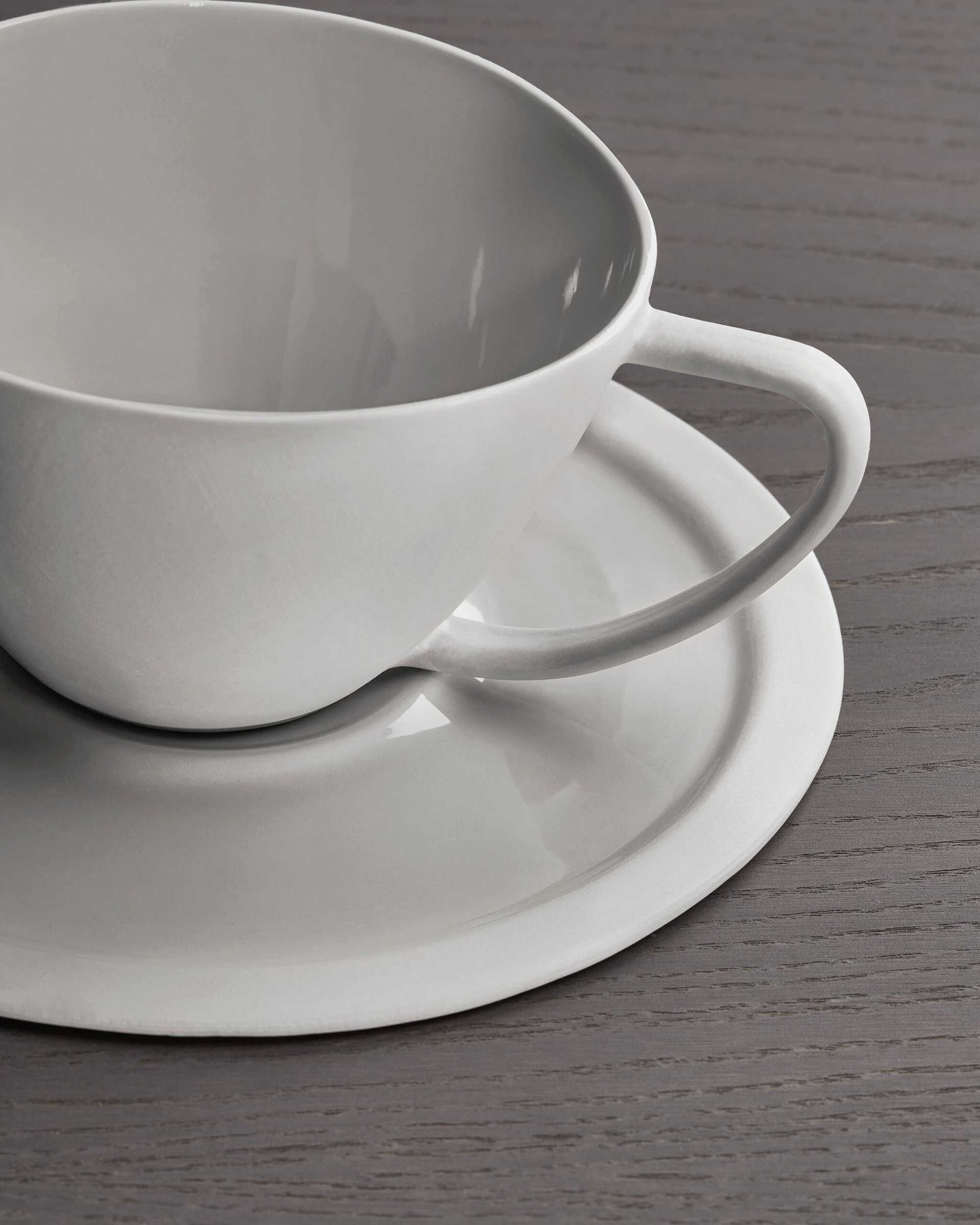
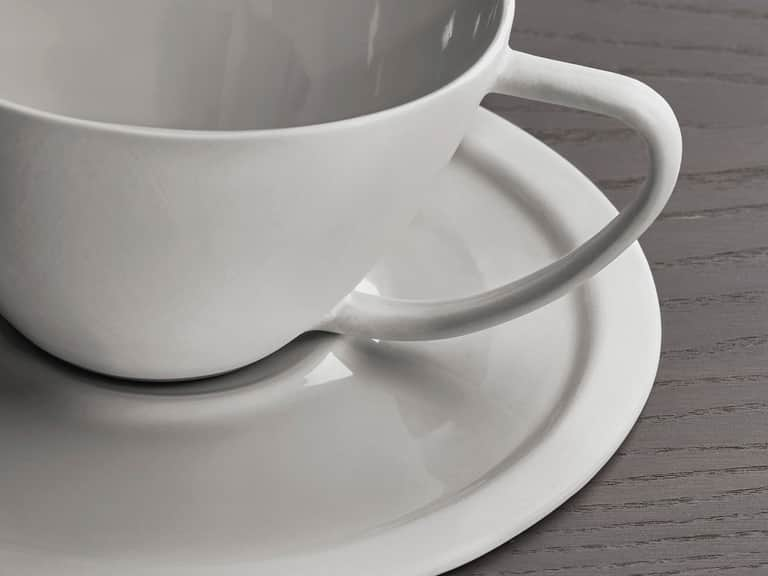
A small coffee service can provide a quiet closing note. Society Limonta’s Onda Coffee Cup With Dish is a handmade Limoges porcelain cup and matching dish, with a glossy interior; it is described as dishwasher and microwave safe. Its restrained ceramic presence can suit a table where textiles are already doing much of the visual work. For details, see the Onda Coffee Cup With Dish. Used after the aperitivo itself, it belongs to the broader rhythm of hosting rather than the first pour.
That distinction matters. A product or accessory should serve the occasion, not take it over. The same principle applies to linens: choose them for how they help people gather, not simply for how they look in an untouched room. A table becomes memorable through the way it is used—the hand reaching for bread, the pause to refill a glass, the conversation that circles back to something said earlier.
Care is part of the design
Textiles intended for entertaining should invite use. Before setting the table, check the care instructions for each piece and consider whether the fabric suits the menu. A casual gathering with olives, oil and citrus may call for napkins that can be washed without elaborate treatment. A lighter, more delicate textile might be better reserved for a quieter occasion. Knowing how a cloth should be cared for makes it easier to use confidently.
After guests leave, shake out crumbs, attend to stains according to the manufacturer’s guidance and allow fabric to dry fully before storage. Do not assume that all natural-looking linens share the same care requirements: fiber, finish and construction can differ. Following the specific instructions helps preserve the hand and color of the textile over time. Storage matters too. Clean, dry linens kept in a breathable place are ready for the next gathering, with the soft creases of use often adding to their character.
Wear is not necessarily a flaw. A tablecloth that has been washed and used may become more supple, while a napkin’s slight variation can make it feel familiar. The intention is not to keep a table pristine at all costs. It is to choose materials that can participate in daily life and still look considered when friends arrive.
The measure of a welcoming table
A successful aperitivo table does not announce how much effort went into it. It gives guests a sense that there is room for them. Society Limonta’s interest in tactile surfaces and measured color can help create that feeling, but the guiding principles are simple: layer with intention, leave working space, and choose materials that are pleasant to live with. A quiet palette can be warm; an informal fold can be elegant; a small imperfection can make the whole arrangement feel more human.
As the light shifts and glasses empty, the table changes from composition to gathering place. Fabric gathers a faint crease where someone has leaned, a napkin moves from its setting, and a dish crosses the table. These are not interruptions to the design. They are the evidence that it is doing its work. The best textile styling supports the evening and then recedes, leaving the people around the table—not the arrangement itself—as its lasting focus.
A quick guide to the aperitivo table
- Choose one main textile layer and let its texture provide quiet visual interest.
- Build a flexible palette from a grounded base and a restrained accent.
- Place food, glasses and serving dishes before adding decorative objects.
- Keep napkins easy to use and the center of the table open enough for sharing.
- Let the setting evolve through the evening; comfort and conversation matter more than perfect symmetry.